No products in the cart.
Free delivery for orders over R1000
When working with pearl powder topically, one of the most common questions I get is:
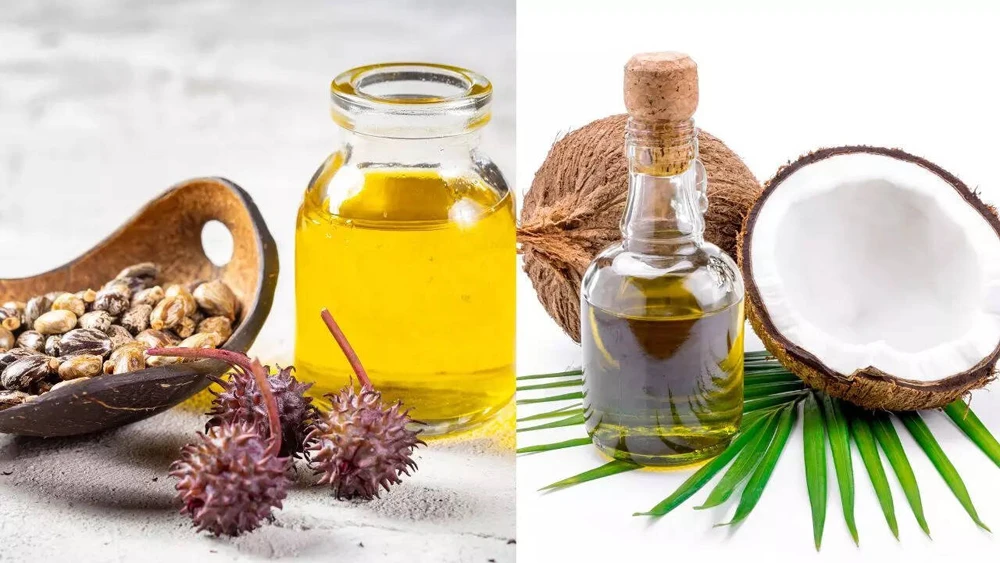
Should I use coconut oil or castor oil — and what’s the difference?
The short answer is: both work very well, but they behave differently on the skin and serve slightly different purposes. Understanding this helps you choose the right option for your skin, your routine, and your goals.

Pearl powder is rich in bioavailable calcium, magnesium, zinc, silica, and trace minerals, traditionally used for skin repair, regeneration, calming inflammation, and supporting the delicate eye area.
Because pearl powder is a fine, dry powder, it needs a carrier when used on the skin. Oils help:
Keep the powder in place
Support absorption through the skin barrier
Nourish and protect delicate tissue
This is where the choice of oil matters.
Coconut oil is a popular choice because it’s easily accessible, familiar, and easy to work with.
Light texture
Absorbs quickly
Naturally antimicrobial
Comfortable for daytime or morning use
When mixed with pearl powder, coconut oil delivers the minerals efficiently, but because it absorbs quickly, it doesn’t stay on the skin for long periods. This makes it ideal if you want:
A lighter application
Faster absorption
A non-greasy feel
Coconut oil is especially useful for daytime use or for people who don’t enjoy heavier oils on their skin.
Castor oil behaves very differently.
It’s thicker, more viscous, and remains on the skin much longer — which is exactly why it’s traditionally used in healing applications and even modern eye-care products.
Deeply nourishing
Supports gradual penetration
Naturally anti-inflammatory
Excellent for overnight repair
Supports skin elasticity, fine lines, and hydration
When paired with pearl powder, castor oil acts almost like a night treatment. Because it stays on the skin longer, it allows the minerals to interact with the skin more slowly and deeply.
This makes castor oil especially beneficial for:
Eye repair and regeneration
Fine lines and wrinkles
Dry or sensitive skin
Overnight use
Rather than choosing one over the other, many people benefit most from using both oils strategically.
Morning or daytime:
Pearl powder mixed with coconut oil for a lighter, fast-absorbing application
Evening or night:
Pearl powder mixed with castor oil, applied at least 40 minutes before bed and left on overnight
This gives you both immediate nourishment and deeper overnight repair.
A simple and effective ratio:
½ teaspoon pearl powder
1 tablespoon oil (castor or coconut)
Mix in a small glass jar, not plastic. Stir before each use, as the powder naturally settles. Avoid metal utensils when mixing — wooden sticks or spoons are best.
For coconut oil, consistency depends on climate. If it’s firm, gently soften it by placing the jar in warm water rather than heating it directly.
Once you understand the basics, pearl powder can also be incorporated into other natural bases, especially for those making their own skincare:
Tallow (excellent for deep skin repair)
Shea butter
Jojoba oil
Rosehip oil
Frankincense oil (very small amounts, diluted)
Natural creams or balms
These blends are best suited for people familiar with skincare formulation. If you’re just starting out, it’s always best to keep things simple with castor oil or coconut oil first.
Both coconut oil and castor oil are excellent carriers for pearl powder — they simply serve different purposes.
Coconut oil offers light, fast absorption
Castor oil provides deep, gradual, restorative support
Understanding how each works allows you to use pearl powder more intentionally and effectively, especially for the delicate eye area.
When used consistently — internally and topically — pearl powder becomes a powerful ally for skin, nervous system support, and long-term restoration.
What is the difference between using coconut oil and castor oil with pearl powder?
Coconut oil and castor oil both work well with pearl powder, but they behave very differently on the skin. Coconut oil is lighter and absorbs quickly, making it suitable for daytime use. Castor oil is thicker and stays on the skin longer, allowing for deeper penetration, regeneration, and overnight repair—especially around the eye area.
Which oil is better for applying pearl powder around the eyes – coconut oil or castor oil?
For the eye area, castor oil is generally preferred because it is more nourishing, anti-inflammatory, and remains on the skin longer. Coconut oil can still be used, especially in the morning, but castor oil is more effective for deeper healing, fine lines, dryness, and overnight use.
How do I mix pearl powder with castor oil or coconut oil correctly?
The recommended ratio is ½ teaspoon of pearl powder to 1 tablespoon of oil. Mix the ingredients in a small glass jar and stir before each use, as the powder naturally settles. Avoid metal utensils and rather use a wooden stick or spoon.
Should pearl powder mixed with oil be washed off or left on the skin?
When applied at night, pearl powder mixed with castor oil or coconut oil can be left on overnight. Apply it about 40 minutes before bed to allow absorption and to prevent it transferring onto bedding. There is no need to wash it off unless preferred.
Can I use pearl powder with coconut oil during the day and castor oil at night?
Yes, this is actually an ideal approach. Coconut oil works well during the day because it absorbs faster and feels lighter on the skin. Castor oil is best used at night, as it supports deeper repair, regeneration, and hydration while you sleep.
Is castor oil better than coconut oil for skin regeneration and fine lines when used with pearl powder?
Castor oil is more effective for skin regeneration and fine lines because it stays on the skin longer and supports gradual absorption. When combined with pearl powder, it helps nourish delicate tissue, improve elasticity, and support long-term skin health more effectively than lighter oils.
Can pearl powder be mixed into other natural products like tallow or shea butter?
Yes, pearl powder can also be incorporated into tallow, shea butter, natural creams, or balms. These blends are particularly beneficial for advanced skincare routines. For beginners, it’s recommended to start with simple mixtures using castor oil or coconut oil.
Is it safe to use pearl powder topically if I have sensitive skin or allergies?
Pearl powder is very gentle and suitable for sensitive skin, but it’s always best to do a patch test first. Apply a small amount of the mixture to the inside of your wrist and wait a few hours to check for any reaction before using it more broadly.
Can pearl powder be used both internally and topically at the same time?
Yes. Many people experience the best results when pearl powder is used both internally and topically. Taken internally, it supports mineral balance and the nervous system. Used topically, it supports skin repair, calming, and regeneration—especially around the eyes.
Which oil delivers pearl powder minerals deeper into the skin?
Both oils help deliver pearl powder minerals, but castor oil allows for deeper and more gradual interaction with the skin due to its thicker consistency and longer absorption time. Coconut oil delivers minerals more quickly but does not remain on the skin as long.
Take 1–2 capsules daily. Many people prefer the evening, as its natural magnesium and trace minerals support relaxation and a good night’s rest. You can also take it any time of day - swallow the capsules, or open them and blend the powder into smoothies, herbal teas, or your favourite drink.


Copyright © 2026 Pearl Powder South Africa | Website by LDJ